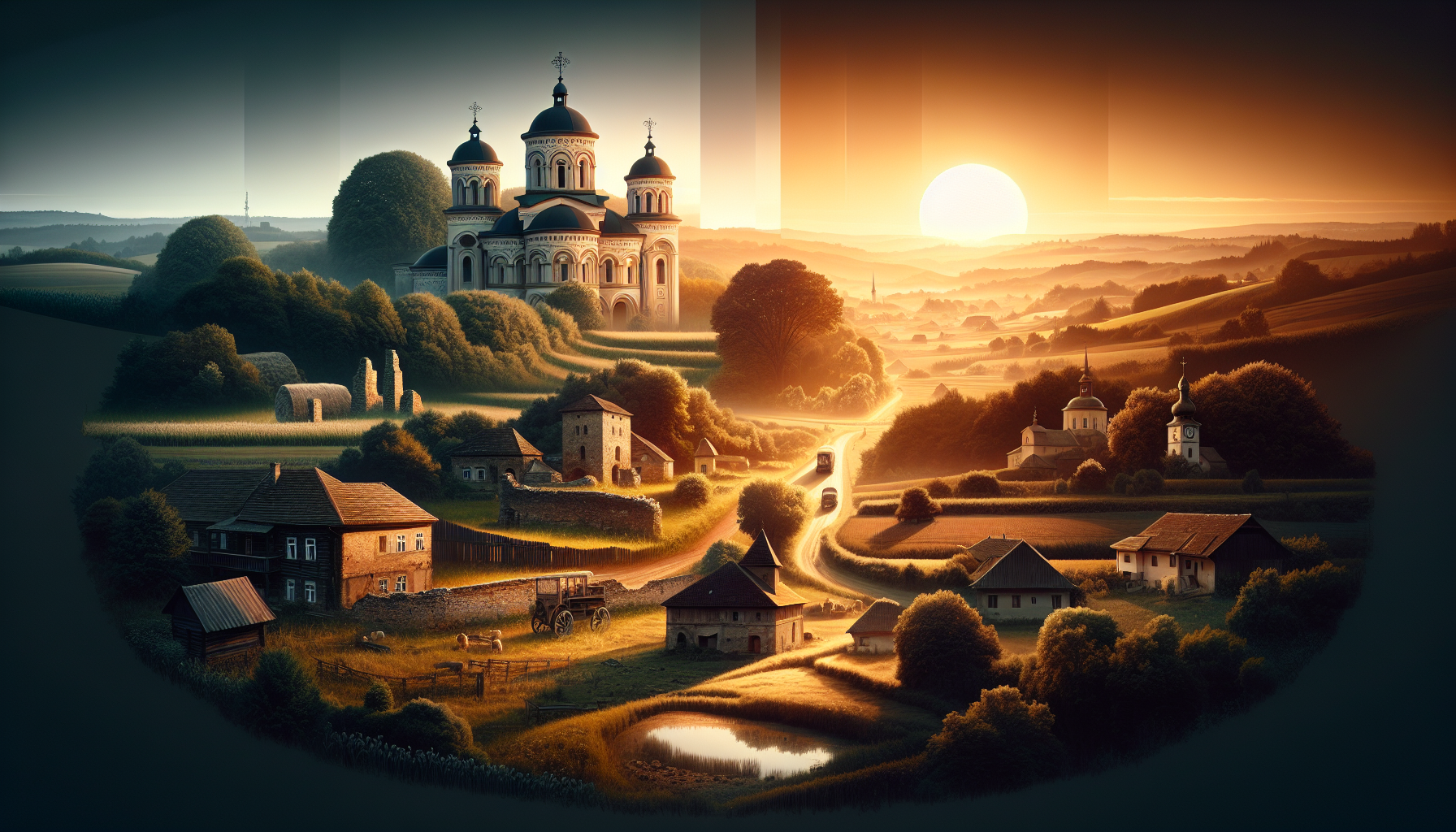
Category: Geography

  • Botswana (Geography and Climate Location)

    Geography and Climate Location: Botswana is bordered by Namibia to the west and north, Zambia to the north, Zimbabwe to the northeast, and South Africa to the south and southeast.

    Landscape: The country is characterized by its vast savannas and semi-arid landscapes, with the Kalahari Desert covering much of its territory. The Okavango Delta, one of the world’s largest inland deltas, is a notable geographical feature.

    Climate: Botswana has a semi-arid climate with hot summers and mild winters. Rainfall is seasonal, occurring primarily in the summer months (November to March).

  • Albania

    Albania is a country located in Southeastern Europe on the Balkan Peninsula. It has a rich history, diverse culture, and a growing economy.

    Geography: Albania is bordered by Montenegro to the northwest, Kosovo to the northeast, North Macedonia to the east, and Greece to the south. It has a coastline along the Adriatic Sea to the west and the Ionian Sea to the southwest. The country features a varied landscape with mountains, rivers, and coastal plains.

    Capital and Major Cities: The capital of Albania is Tirana, which is also the largest city and the political, economic, and cultural center of the country. Other major cities include Durrës, known for its port and beaches; Shkodër, a historic city near Lake Shkodra; and Vlorë, an important coastal city.

  • Harare (Geography and Location)

    Harare is the capital and largest city of Zimbabwe, located in the northeastern part of the country.

    Geography and Location

    • Geographical Coordinates: Harare is situated at approximately 17.82°S latitude and 31.05°E longitude.
    • Elevation: The city has an average elevation of around 1,483 meters (4,865 feet) above sea level.
    • Location: Harare is located in the Mashonaland region of northeastern Zimbabwe, in the Highveld plateau.
  • Zambia (Economy)

    Zambia (Economy)

    • Copper Industry: Zambia’s economy is heavily dependent on the copper mining industry, which accounts for a significant portion of the country’s GDP and exports. However, fluctuations in global copper prices can impact the economy.
    • Agriculture: Agriculture is another important sector, employing a majority of the population. Key crops include maize, tobacco, cotton, sugarcane, and various vegetables.
    • Challenges: Zambia faces challenges such as poverty, unemployment, income inequality, and inadequate infrastructure. Economic diversification and sustainable development are ongoing priorities for the government.
  • Zambia (Geography and Natural Resources)

    Zambia (Geography and Natural Resources)

    • Landscapes: Zambia is known for its diverse landscapes, including the Zambezi River, which forms the border with Zimbabwe and is home to the spectacular Victoria Falls, one of the largest waterfalls in the world. The country also features savannas, forests, and the vast Luangwa and Kafue National Parks.
    • Natural Resources: Zambia is rich in natural resources, including copper, cobalt, zinc, lead, coal, emeralds, and other minerals. Copper mining is a significant contributor to the country’s economy.
  • St. Petersburg (History)

    St. Petersburg, often referred to as the “Venice of the North” or the “Northern Capital,” is one of Russia’s most iconic and culturally rich cities. Situated on the Neva River at the head of the Gulf of Finland on the Baltic Sea, St. Petersburg is renowned for its stunning architecture, rich history, and vibrant cultural scene.

    History

    • Foundation: St. Petersburg was founded by Tsar Peter the Great in 1703 as a strategic fortress and port on the Baltic Sea. The city was built on marshlands and islands, with its layout and architecture heavily influenced by European styles.
    • Imperial Capital: In the 18th and 19th centuries, St. Petersburg served as the imperial capital of Russia and the residence of the Russian tsars. It flourished as a center of culture, politics, and commerce, attracting artists, intellectuals, and nobility from across Europe.
    • Revolution and Soviet Era: Following the Russian Revolution of 1917, St. Petersburg was renamed Petrograd and later Leningrad in honor of Vladimir Lenin. During World War II, the city endured a brutal 900-day siege by Nazi forces, resulting in significant destruction and loss of life.
    • Post-Soviet Era: In 1991, following the collapse of the Soviet Union, the city reverted to its original name, St. Petersburg. Since then, it has undergone a process of renewal and revitalization, reclaiming its status as one of Russia’s cultural and economic hubs.
  • History of Andaman Islands

    History of Andaman Islands

    History: The Andaman Islands have a complex history, including periods of colonization by the British, who used the islands as a penal colony. The Cellular Jail in Port Blair is a notable historical site, commemorating the freedom fighters who were imprisoned there during India’s struggle for independence.

  • Andaman Islands

    The Andaman Islands are a group of islands located in the Bay of Bengal, between India and Myanmar. They form part of the Andaman and Nicobar Islands Union Territory of India. Here’s some key information about the Andaman Islands:

    • Geography: The Andaman Islands are known for their stunning beaches, lush tropical forests, and diverse wildlife. The capital of the Andaman and Nicobar Islands is Port Blair.
    • Tourism: The Andaman Islands are a popular tourist destination, offering activities like snorkeling, scuba diving, trekking, and exploring unique natural landmarks like the limestone caves at Baratang Island or the active volcano on Barren Island.
    • Indigenous Tribes: The Andaman Islands are home to several indigenous tribes, such as the Jarawas, the Onge, and the Sentinelese. These tribes have distinct cultures and live in relatively isolated areas. Contact with some tribes is restricted to protect their way of life.
  • Cultural Significance of Gangtok

    Cultural Significance of Gangtok

    Gangtok holds great cultural significance as it is a melting pot of different ethnicities and cultures. The city is home to several religious sites, including monasteries, temples, and shrines, which are of utmost importance to the local communities. The Enchey Monastery, Rumtek Monastery, and Do Drul Chorten are some of the prominent Buddhist sites in Gangtok.

    The city celebrates various festivals and events throughout the year, showcasing the rich cultural heritage of the region. The most significant festival is Losoong, which marks the beginning of the Sikkimese New Year. During Losoong, people engage in traditional dance, music performances, and sports events.

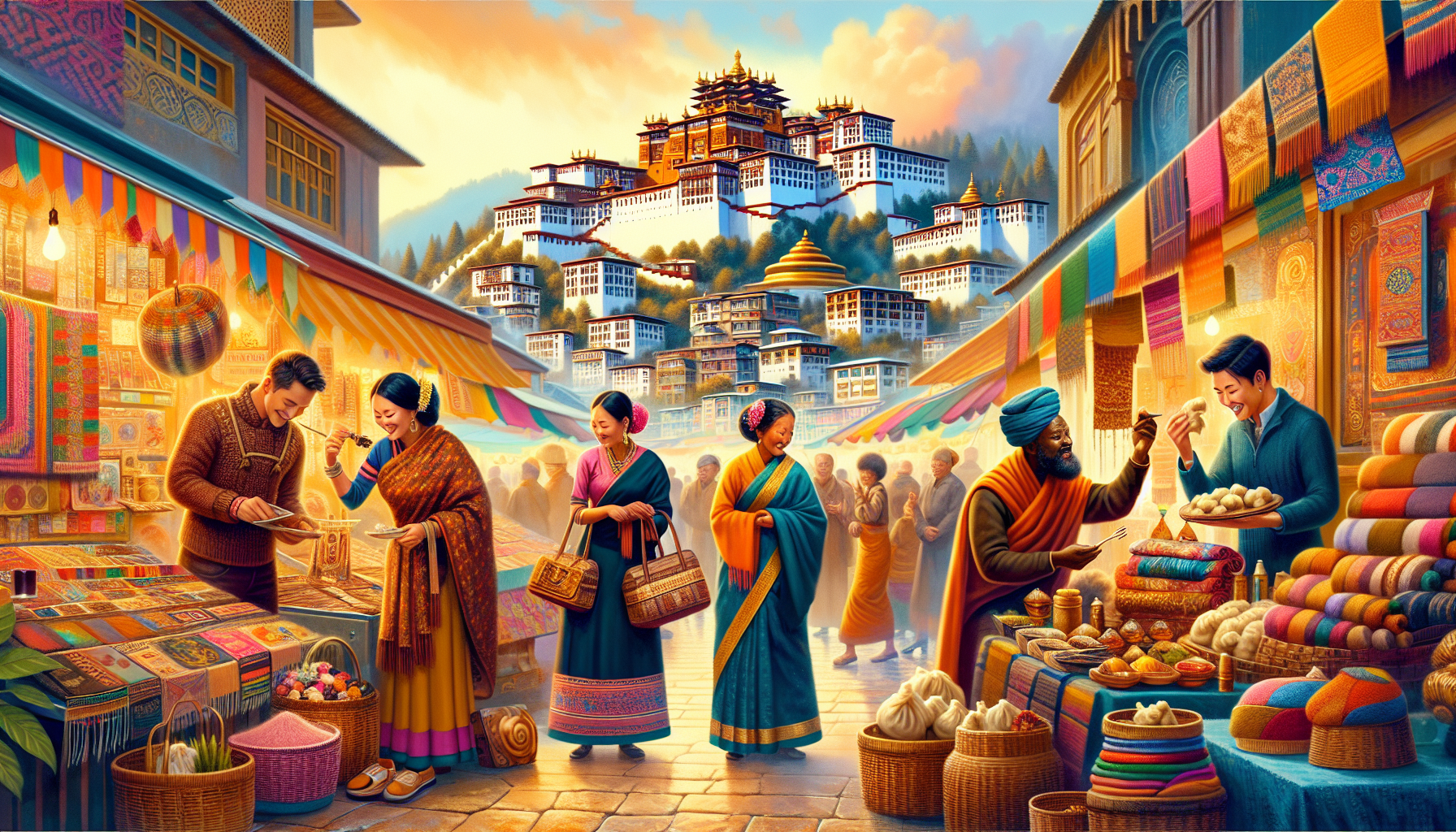
    Gangtok also promotes various forms of traditional art and crafts. The Handloom and Handicrafts Emporium in Gangtok offers a display of exquisite handwoven textiles, handcrafted items, and intricate artwork, reflecting the local craftsmanship.

    Furthermore, the local cuisine of Gangtok, influenced by Tibetan, Nepali, and Sikkimese flavors, adds to its cultural tapestry. Momos, thukpa, gundruk, and fermented beverages like chhang are some of the popular delicacies that represent the local gastronomy.

  • Vojvodina (History)

    Vojvodina (History)

    Vojvodina (History)

    • Early History: The region has a rich history of human settlement, with evidence of ancient cultures and Roman influence. It was part of the Kingdom of Hungary in the medieval period.
    • Ottoman and Habsburg Periods: Vojvodina was under Ottoman rule in the 16th century, later becoming part of the Habsburg Monarchy. This history has left a lasting impact on the region’s architecture and cultural identity.
    • Modern History: After World War I, Vojvodina became part of the Kingdom of Serbs, Croats, and Slovenes (later Yugoslavia). It remained an autonomous region within Serbia during the Socialist Federal Republic of Yugoslavia, and its autonomy was recognized in the post-Yugoslav era.