Tag: blog

  • Cultural Significance of Gangtok

    Cultural Significance of Gangtok

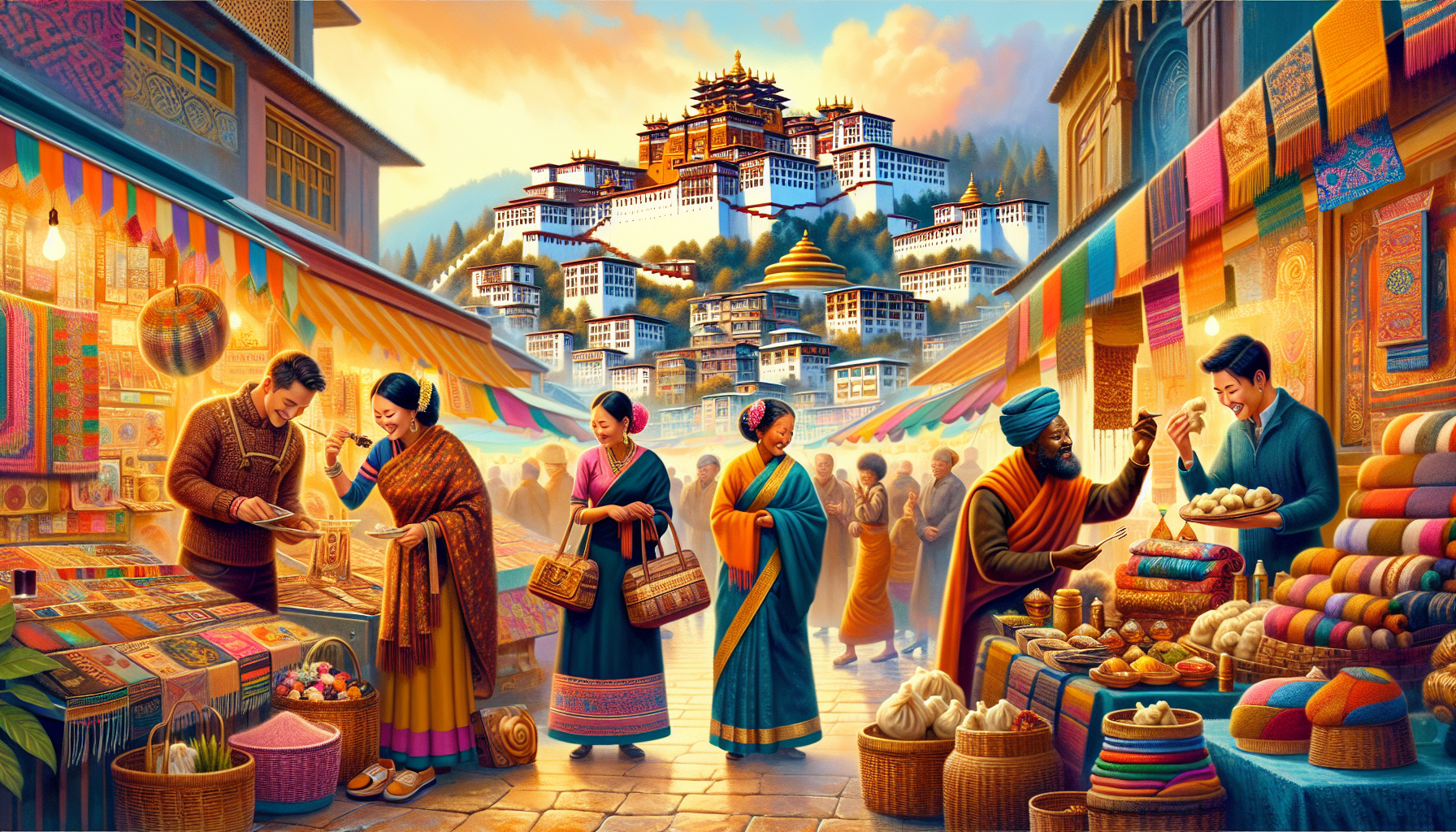
    Gangtok holds great cultural significance as it is a melting pot of different ethnicities and cultures. The city is home to several religious sites, including monasteries, temples, and shrines, which are of utmost importance to the local communities. The Enchey Monastery, Rumtek Monastery, and Do Drul Chorten are some of the prominent Buddhist sites in Gangtok.

    The city celebrates various festivals and events throughout the year, showcasing the rich cultural heritage of the region. The most significant festival is Losoong, which marks the beginning of the Sikkimese New Year. During Losoong, people engage in traditional dance, music performances, and sports events.

    Gangtok also promotes various forms of traditional art and crafts. The Handloom and Handicrafts Emporium in Gangtok offers a display of exquisite handwoven textiles, handcrafted items, and intricate artwork, reflecting the local craftsmanship.

    Furthermore, the local cuisine of Gangtok, influenced by Tibetan, Nepali, and Sikkimese flavors, adds to its cultural tapestry. Momos, thukpa, gundruk, and fermented beverages like chhang are some of the popular delicacies that represent the local gastronomy.

  • River Avon

    The river Avon is a river in England that flows through the Midlands and Southwest regions.

    Name: The name “Avon” is a Celtic word meaning “river,” and there are several rivers in the United Kingdom with this name. The River Avon in England is distinct from the more famous River Avon in southern England, which flows through Stratford-upon-Avon and Bath.

    Course: The River Avon in England rises in the Midlands, near the town of Naseby in Northamptonshire. It flows southwest through the counties of Warwickshire, Worcestershire, and Gloucestershire before entering the Bristol Channel at Avonmouth, near Bristol.

    Tributaries: The River Avon has several tributaries, including the River Swift, the River Leam, the River Arrow, the River Stour, the River Frome, and the River Trym. These tributaries contribute to the river’s flow and drainage basin.

    Navigation: Historically, the River Avon was an important transportation route for goods and passengers, with navigable sections navigated by boats and barges. Today, the river is used mainly for recreational boating and tourism, with boat trips and cruises available in some areas.

    Ecology: The River Avon and its tributaries support a diverse range of wildlife and habitats, including wetlands, meadows, and woodlands. The river is home to various species of fish, birds, mammals, and invertebrates, and efforts are underway to protect and restore its natural ecosystems.

    History and Culture: The River Avon has played a significant role in the history and culture of the regions through which it flows. It has inspired poets, artists, and writers, and its picturesque landscapes feature in numerous works of art and literature. The river’s historic bridges, mills, and watermills are also important landmarks.

    Recreation: The river Avon offers opportunities for a range of recreational activities, including fishing, boating, kayaking, and riverside walks. Its scenic beauty and tranquil surroundings attract visitors from across the UK and beyond, providing opportunities for relaxation and outdoor enjoyment.

  • Fukushima Daiichi

    Fukushima Daiichi refers to the nuclear power plant located in Fukushima Prefecture, Japan. It gained international attention following the devastating earthquake and tsunami that struck the region on March 11, 2011. The natural disasters caused a series of equipment failures and meltdowns at the Fukushima Daiichi nuclear power plant, leading to the release of radioactive materials.

    The Fukushima Daiichi nuclear disaster was the most significant nuclear accident since the Chernobyl disaster in 1986. The event prompted widespread concern about the safety of nuclear power and sparked debates about energy policy and the future of nuclear energy.

    The immediate aftermath of the Fukushima Daiichi disaster involved the evacuation of thousands of residents in the surrounding areas due to the potential health risks associated with radiation exposure. Efforts to stabilize the damaged reactors and mitigate the release of radioactive materials continued for several years.

    Since the accident, the Japanese government has been working on the decommissioning of the Fukushima Daiichi nuclear power plant. This process involves removing the fuel debris and dismantling the damaged reactors. It is a complex and lengthy operation expected to take several decades to complete.

    The Fukushima Daiichi nuclear disaster had significant social, economic, and environmental impacts. It led to increased scrutiny of nuclear safety regulations and practices worldwide and prompted many countries to review their nuclear energy policies. The incident also highlighted the importance of emergency preparedness, disaster response, and the need for alternative sources of energy.

  • Houston

    Houston is a major city located in the state of Texas, United States.

    Geography:

    Houston is situated in Southeast Texas, near the Gulf of Mexico. It is the most populous city in Texas and the fourth-most populous city in the United States.

    Population:

    As of my last knowledge update in January 2022, Houston has a diverse population and is known for being one of the most ethnically and culturally diverse cities in the United States.

    Economy:

    Houston has a robust and diverse economy, with significant contributions from industries such as energy, healthcare, aerospace, and manufacturing. The city is a major hub for the oil and gas industry and is home to the headquarters of several energy companies.

    Space Exploration:

    Houston is renowned for its association with space exploration. NASA’s Johnson Space Center, located in Houston, serves as the mission control center for the United States human spaceflight program. It played a crucial role in the Apollo moon missions and continues to be a central hub for space activities.

    Cultural and Arts Scene:

    Houston has a vibrant cultural and arts scene, with numerous museums, theaters, and performing arts venues. The Museum District is home to institutions such as the Houston Museum of Natural Science, the Museum of Fine Arts, and the Houston Zoo.

    Sports:

    Houston boasts a strong sports presence with professional teams in various major sports leagues, including the Houston Texans (NFL), Houston Astros (MLB), and Houston Rockets (NBA).

    Medical Center:

    The Texas Medical Center, located in Houston, is one of the largest medical complexes globally. It houses a vast network of healthcare institutions, hospitals, and research facilities.

    Education:

    Houston is home to several universities and educational institutions, including the University of Houston and Rice University.

    Climate:

    Houston has a humid subtropical climate, characterized by hot and humid summers and mild winters. The city can experience occasional severe weather events, including hurricanes.

    Transportation:

    The city has a comprehensive transportation network, including highways, public transit, and George Bush Intercontinental Airport, one of the busiest airports in the country.

    Diversity:

    Houston is known for its cultural diversity, with a large population representing various ethnicities and backgrounds. This diversity is reflected in the city’s cuisine, festivals, and cultural events.

    Bayou City:

    Houston is often referred to as the “Bayou City” due to the presence of several bayous, including Buffalo Bayou, which runs through the city.

    Hurricane History:

    Houston is susceptible to hurricanes and has experienced significant storms in its history, including Hurricane Harvey in 2017.

    Oil and Gas Industry:

    The city’s economy has historically been closely tied to the oil and gas industry, and it remains a key player in the global energy sector.
  • Ottoman Empire

    The Ottoman Empire, one of the most significant empires in history, spanned three continents—Europe, Asia, and Africa—encompassing a vast and diverse geographical landscape. At its height, the Ottoman Empire covered a substantial portion of Southeast Europe, Western Asia, and North Africa.

    Anatolia (Asia Minor):

    The heartland of the Ottoman Empire was Anatolia, also known as Asia Minor, located in present-day Turkey.
    The Anatolian Peninsula served as the initial and primary territorial base for the Ottoman state.

    Balkan Peninsula (Southeast Europe):

    The Ottomans expanded into the Balkans, incorporating regions such as Greece, Bulgaria, Serbia, Bosnia, and Albania.
    Major cities in the Balkans, including Constantinople (modern-day Istanbul), became key centers of Ottoman rule.

    Levant (Western Asia):

    The Ottoman Empire extended into the Levant, encompassing territories like Syria, Lebanon, Jordan, and Palestine.
    Key cities in this region, such as Damascus and Jerusalem, were under Ottoman control.

    Mesopotamia (Iraq):

    Ottoman rule extended into Mesopotamia, covering present-day Iraq and parts of Kuwait.
    Baghdad, a historic city, was part of the Ottoman Empire.

    Egypt and North Africa:

    The Ottomans gained control of Egypt and expanded their influence across North Africa, including Libya, Tunisia, and Algeria.
    Cairo, a significant cultural and economic center, was under Ottoman administration.

    The Arabian Peninsula:

    Parts of the Arabian Peninsula, including the Hejaz region (western Saudi Arabia), were under Ottoman control.
    The Ottoman Empire held Mecca and Medina, two of Islam’s holiest cities.

    Expansion into Southeast Europe:

    Ottoman expansion into Southeast Europe involved the annexation of territories in the Danube Basin, Hungary, and parts of the Ukraine.

    Islands and Maritime Borders:

    The Ottoman Empire controlled various islands in the Mediterranean, Aegean, and Black Seas.
    The Ottoman navy played a crucial role in maintaining maritime dominance.