Tag: travel

  • Victoria

    Victoria is a state located in southeastern Australia, known for its diverse landscapes, rich history, vibrant cities, and thriving arts and culture scene. Here is a 300-word essay on Victoria:

    Victoria, also known as the Garden State, is a state in southeastern Australia that captivates visitors with its beauty, charm, and a wide array of attractions. From stunning coastal landscapes to picturesque mountains and bustling city life, Victoria offers something for everyone.

    One of Victoria’s most iconic landmarks is the Great Ocean Road. This scenic coastal drive stretches along the southeastern coast, offering breathtaking views of the Southern Ocean and famous rock formations like the Twelve Apostles. Visitors can explore charming coastal towns, enjoy stunning beaches, and immerse themselves in the rugged beauty of the region.

    Melbourne, the capital city of Victoria, is a vibrant cosmopolitan hub renowned for its arts, culture, and culinary scene. With its eclectic mix of Victorian-era architecture, modern skyscrapers, and diverse neighborhoods, Melbourne has a unique charm. Visitors can explore the bustling Queen Victoria Market, wander through the famous laneways filled with street art, or indulge in world-class dining and shopping experiences.

    Victoria is also home to breathtaking national parks and natural wonders. The Grampians National Park, located in western Victoria, showcases stunning mountain ranges, ancient rock formations, and rich indigenous cultural heritage. The Wilsons Promontory National Park, located at the southernmost point of mainland Australia, boasts pristine beaches, lush forests, and abundant wildlife.

    For those seeking adventure, Victoria offers opportunities for hiking, skiing, and wildlife encounters. The state is home to the iconic Australian Alps, where visitors can enjoy skiing and snowboarding during the winter months. The Yarra Valley, located just outside Melbourne, is known for its vineyards, offering wine enthusiasts a chance to sample award-winning wines while enjoying the beautiful countryside.

    Victoria’s rich history is evident in its gold rush heritage. Historic towns such as Ballarat and Bendigo have preserved their gold rush architecture and offer immersive experiences to delve into Australia’s gold mining past. Sovereign Hill, an open-air museum in Ballarat, allows visitors to step back in time and experience life as it was during the gold rush era.
  • Queensland

    Queensland is a state located in northeastern Australia. Some key points about Queensland are:

    1. Geography: Queensland is the second-largest state in Australia and covers an area of 1,852,642 square kilometers. It is bordered by the Northern Territory to the west, South Australia to the southwest, and New South Wales to the south.
    2. Capital City: The capital city of Queensland is Brisbane, which is also the largest city in the state. Brisbane is a vibrant and cosmopolitan city located on the banks of the Brisbane River.
    3. Population: Queensland has a population of around 5 million people, making it the third most populous state in Australia after New South Wales and Victoria.
    4. Climate: Queensland has a tropical and subtropical climate with warm to hot temperatures year-round. The state receives a lot of sunshine and is known for its pleasant weather and stunning beaches.
    5. Natural Environment: Queensland is famous for its natural beauty and biodiversity. The state is home to many iconic natural landmarks, including the Great Barrier Reef, the Daintree Rainforest, Fraser Island, and the Whitsunday Islands.
    6. Economy: Queensland’s economy is diverse and includes agriculture, tourism, mining, and manufacturing. The state is a major producer of coal, natural gas, and minerals and is a significant agricultural exporter.
    7. Culture: Queensland has a rich cultural heritage and is home to many Indigenous communities. The state’s cultural scene is vibrant, with festivals, events, and museums celebrating the arts and history of the region.
    8. Sports: Queensland has a strong sporting culture, with rugby league, cricket, and Australian rules football being popular among locals. Brisbane also hosted the Commonwealth Games in 1982 and is set to host the Olympic Games in 2032.
    9. Education: Queensland has many prestigious universities and TAFE (Technical and Further Education) institutions, including The University of Queensland, Griffith University, and Queensland University of Technology. The state also has an excellent education system for primary and secondary schools.
    10. Transportation: Queensland has a well-connected transportation system, including highways, railways, and air transport. Brisbane Airport is the primary hub for international and domestic flights, while the state’s extensive bus and train network makes travel across Queensland accessible.
  • Perth

    Perth, the capital city of Western Australia, is a vibrant and cosmopolitan metropolis located on the country’s west coast. With its stunning natural beauty, thriving economy, and high standard of living, Perth has become a popular destination for both tourists and those looking for a new place to call home.

    One of Perth’s defining features is its pristine sandy beaches. Stretching along the Indian Ocean coastline, these beaches offer crystal-clear waters and ample opportunities for swimming, surfing, and sunbathing. Popular beaches such as Cottesloe, Scarborough, and Trigg attract locals and visitors alike with their laid-back atmosphere and stunning sunset views.

    In addition to its natural attractions, Perth boasts a thriving arts and culture scene. The city is home to numerous art galleries, museums, and performance spaces, showcasing both local and international talent. The Art Gallery of Western Australia, the Western Australian Museum, and the Perth Concert Hall are just a few of the venues where visitors can immerse themselves in artistic expression and cultural experiences.

    Perth’s cityscape is a blend of historic charm and modern architecture. The city center is characterized by sleek skyscrapers, bustling shopping precincts, and a vibrant café culture. The iconic Bell Tower, standing tall on the Swan River foreshore, offers panoramic views of the city and is a popular tourist attraction.

    Kings Park and Botanic Garden, one of the largest inner-city parks in the world, is a must-visit destination in Perth. This expansive green space offers breathtaking views of the city skyline, botanical gardens with native Australian flora, and peaceful walking trails. It’s a perfect place to relax, have a picnic, or enjoy outdoor activities.

    Perth is also known for its fantastic food and wine scene. From trendy cafes and gourmet restaurants to bustling food markets, the city offers a wide array of culinary delights. Visitors can sample fresh seafood, indulge in farm-to-table experiences, and taste premium wines from the nearby Swan Valley region.

    Beyond the city limits, Perth serves as a gateway to the natural wonders of Western Australia. Rottnest Island, just a short ferry ride away, is famous for its pristine beaches, unique wildlife, and the adorable quokkas. The Margaret River wine region, a few hours drive from Perth, is renowned for its world-class wineries, surf breaks, and picturesque landscapes.

    In terms of quality of life, Perth consistently ranks among the top cities in the world. With its excellent healthcare system, education opportunities, and a strong economy driven by sectors like mining, technology, and tourism, the city offers a high standard of living for its residents.

  • Sydney

    Sydney is the largest city in Australia and serves as the capital of the state of New South Wales. Known for its vibrant culture, iconic landmarks, and stunning natural beauty, Sydney is a major global city with significant cultural, economic, and historical importance.

    Geography:

    Location: Situated on Australia’s southeastern coast, Sydney is built around a sprawling harbor, which is one of the largest natural harbors in the world.
    Climate: Sydney has a temperate climate with warm summers and mild winters. It enjoys abundant sunshine year-round, making it a popular destination for outdoor activities.

    Landmarks:

    Sydney Opera House: One of the most recognizable buildings in the world, the Sydney Opera House is an architectural masterpiece and a hub for performing arts.
    Sydney Harbour Bridge: Known as the “Coathanger,” this iconic steel arch bridge offers panoramic views of the harbor and city. Visitors can climb the bridge for a unique experience.
    Bondi Beach: A world-famous beach known for its golden sands, surfing waves, and vibrant beach culture. It is a popular spot for both locals and tourists.

  • St. Petersburg (History)

    St. Petersburg, often referred to as the “Venice of the North” or the “Northern Capital,” is one of Russia’s most iconic and culturally rich cities. Situated on the Neva River at the head of the Gulf of Finland on the Baltic Sea, St. Petersburg is renowned for its stunning architecture, rich history, and vibrant cultural scene.

    History

    • Foundation: St. Petersburg was founded by Tsar Peter the Great in 1703 as a strategic fortress and port on the Baltic Sea. The city was built on marshlands and islands, with its layout and architecture heavily influenced by European styles.
    • Imperial Capital: In the 18th and 19th centuries, St. Petersburg served as the imperial capital of Russia and the residence of the Russian tsars. It flourished as a center of culture, politics, and commerce, attracting artists, intellectuals, and nobility from across Europe.
    • Revolution and Soviet Era: Following the Russian Revolution of 1917, St. Petersburg was renamed Petrograd and later Leningrad in honor of Vladimir Lenin. During World War II, the city endured a brutal 900-day siege by Nazi forces, resulting in significant destruction and loss of life.
    • Post-Soviet Era: In 1991, following the collapse of the Soviet Union, the city reverted to its original name, St. Petersburg. Since then, it has undergone a process of renewal and revitalization, reclaiming its status as one of Russia’s cultural and economic hubs.
  • Cultural Significance of Gangtok

    Cultural Significance of Gangtok

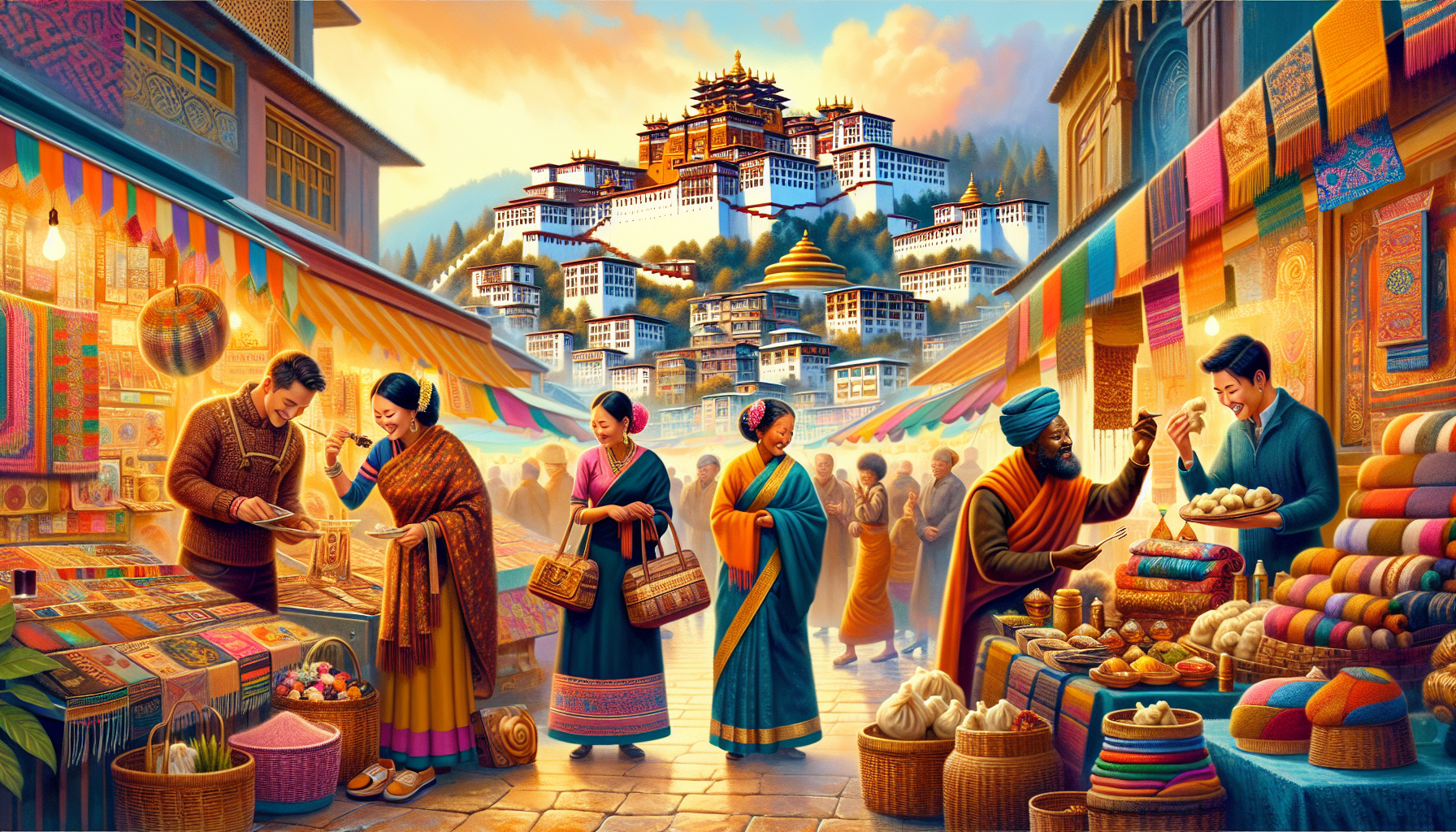
    Gangtok holds great cultural significance as it is a melting pot of different ethnicities and cultures. The city is home to several religious sites, including monasteries, temples, and shrines, which are of utmost importance to the local communities. The Enchey Monastery, Rumtek Monastery, and Do Drul Chorten are some of the prominent Buddhist sites in Gangtok.

    The city celebrates various festivals and events throughout the year, showcasing the rich cultural heritage of the region. The most significant festival is Losoong, which marks the beginning of the Sikkimese New Year. During Losoong, people engage in traditional dance, music performances, and sports events.

    Gangtok also promotes various forms of traditional art and crafts. The Handloom and Handicrafts Emporium in Gangtok offers a display of exquisite handwoven textiles, handcrafted items, and intricate artwork, reflecting the local craftsmanship.

    Furthermore, the local cuisine of Gangtok, influenced by Tibetan, Nepali, and Sikkimese flavors, adds to its cultural tapestry. Momos, thukpa, gundruk, and fermented beverages like chhang are some of the popular delicacies that represent the local gastronomy.

  • Zrenjanin

    Zrenjanin is a city in Serbia, located in the northern part of the country, within the autonomous province of Vojvodina. It is one of the largest cities in Vojvodina and serves as an important economic, cultural, and administrative center for the surrounding region.

    Geography and Location

    • Location: Zrenjanin is situated in the Banat region of Vojvodina, along the banks of the Begej River. It lies about 75 kilometers north of Belgrade and is relatively close to Novi Sad, the capital of Vojvodina.
    • Topography: The area surrounding Zrenjanin is predominantly flat, characterized by fertile agricultural land, contributing to the city’s strong agricultural base.

    History

    • Early History: The region around Zrenjanin has a long history of human settlement, with evidence of ancient cultures. The city itself was founded in the 14th century and has undergone various name changes and control by different empires.
    • Ottoman and Habsburg Influence: Zrenjanin was part of the Ottoman Empire in the 16th century, later becoming part of the Habsburg Monarchy. This history is reflected in the city’s architecture and cultural influences.
    • Modern History: After World War I, Zrenjanin became part of the Kingdom of Serbs, Croats, and Slovenes (later Yugoslavia). During World War II, it was occupied by Axis forces, and after the war, it became part of the Socialist Federal Republic of Yugoslavia. The city was named Zrenjanin in 1946 in honor of Žarko Zrenjanin, a leader of the Yugoslav Partisans during the war.

    Economy

    • Industrial Base: Zrenjanin has a diverse economy with a strong industrial base. Historically, it was known for its food processing, textiles, and machinery manufacturing. The city continues to be an important industrial hub in the region.
    • Agriculture: Given its location in the fertile plains of Vojvodina, agriculture is a significant part of the local economy. The surrounding areas are known for crops like wheat, corn, and sunflowers.
    • Challenges: Despite its industrial history, Zrenjanin has faced economic challenges in recent years, including the closure of some major factories and high unemployment rates. Efforts are ongoing to revitalize the local economy and attract new investments.

    Culture and Society

    • Cultural Heritage: Zrenjanin has a rich cultural heritage with a mix of Serbian, Hungarian, Romanian, and other influences. The city’s architecture reflects this diversity, with notable buildings like the City Hall, the Theatre of Zrenjanin, and various churches and temples.
    • Festivals and Events: The city hosts several cultural events and festivals throughout the year, including the “Days of Beer,” a popular annual festival celebrating the city’s brewing tradition, and the “Theatre Days,” which attracts theater groups from across the region.
    • Education: Zrenjanin is home to several educational institutions, including high schools and faculties affiliated with universities in Belgrade and Novi Sad.

    Transportation and Infrastructure

    • Transportation: Zrenjanin is well-connected by road and rail, with regular connections to other major cities in Serbia. The nearby E-75 highway provides easy access to Belgrade and Novi Sad.
    • Infrastructure: The city has a mix of historical and modern infrastructure, with ongoing development projects aimed at improving the quality of life and promoting economic growth.
  • Belgrade

    Belgrade, the capital and largest city of Serbia, is a vibrant and historically rich metropolis located at the confluence of the Sava and Danube rivers. Known for its dynamic blend of culture, history, and modernity, Belgrade is a hub for politics, education, commerce, and entertainment. Here’s an in-depth look at Belgrade:

    Geography and Urban Layout
    Location: Belgrade is situated in the north-central part of Serbia, at the meeting point of the Sava and Danube rivers. This strategic location has made it a vital crossroads throughout history.
    Districts: The city comprises several districts, with the central areas being Stari Grad (Old Town) and Savski Venac. New Belgrade, across the Sava River, is a significant commercial and residential district that has grown rapidly in recent decades.

    History
    Ancient and Medieval History: Belgrade has a long and complex history, with evidence of early settlements dating back to Celtic times. It became a Roman stronghold known as Singidunum and later a Byzantine, Hungarian, and Ottoman territory.
    Ottoman and Habsburg Rule: The city experienced significant turmoil as it was a contested site between the Ottoman Empire and the Habsburg Empire. This history is reflected in its diverse architectural and cultural heritage.
    Modern History: In the 19th century, Belgrade became the capital of modern Serbia. It also served as the capital of Yugoslavia during its various iterations in the 20th century, becoming a political and cultural center.

    Key Attractions and Landmarks
    Belgrade Fortress (Kalemegdan): This ancient fortress is one of Belgrade’s most iconic landmarks, offering panoramic views of the confluence of the Sava and Danube rivers. The surrounding Kalemegdan Park is a popular spot for locals and tourists.
    St. Sava Temple: One of the largest Orthodox churches in the world, this massive structure is dedicated to Saint Sava, the founder of the Serbian Orthodox Church. Its striking architecture makes it a must-see attraction.
    Skadarlija: Often referred to as Belgrade’s Montmartre, this historic cobblestone street is known for its traditional restaurants, live music, and bohemian ambiance.
    Ada Ciganlija: An island on the Sava River transformed into a recreational area with beaches, sports facilities, and green spaces.
    Republic Square and Knez Mihailova Street: The heart of Belgrade’s city center, with numerous shops, cafes, and cultural institutions like the National Museum and National Theatre.

    Culture and Society
    Cultural Scene: Belgrade has a vibrant cultural scene with theaters, galleries, and music venues. The city is known for its energetic nightlife, with numerous clubs and bars along the rivers and in the city center.
    Education and Research: Belgrade is home to the University of Belgrade, one of the largest and oldest universities in the region, as well as other academic and research institutions.
    Diverse Community: The city has a diverse population, with a mix of ethnicities, religions, and cultures contributing to its cosmopolitan atmosphere.

    Economy and Infrastructure
    Economic Hub: Belgrade is the economic center of Serbia, with a strong presence of industries like finance, technology, manufacturing, and trade.
    Transportation: The city has a well-developed transportation network, including a major railway hub, bus stations, and the Nikola Tesla International Airport. The ongoing development of the Belgrade Waterfront is transforming the city’s riverfront into a modern commercial and residential area.

  • Croatia

    Croatia is a European country located in the Balkans, known for its stunning coastline along the Adriatic Sea, rich history, and vibrant cultural heritage. It is a popular tourist destination, offering a mix of natural beauty, historic sites, and a unique blend of Central European and Mediterranean influences.

    Geography

    • Location: Croatia is situated in Southeastern Europe, bordered by Slovenia and Hungary to the north, Serbia to the east, Bosnia and Herzegovina to the southeast, Montenegro to the south, and the Adriatic Sea to the west.
    • Regions: The country has several distinct geographical regions, including the Dalmatian coast, the Istrian Peninsula, and the central and eastern parts dominated by hills and plains.
    • Coastline and Islands: Croatia has an extensive coastline along the Adriatic Sea, stretching over 1,100 miles, with more than 1,000 islands, including popular destinations like Hvar, Korčula, Brač, and Vis.

    History

    • Early History: Croatia’s history dates back to ancient times, with significant Roman influence, as evidenced by landmarks like the Diocletian’s Palace in Split and the Roman amphitheater in Pula.
    • Medieval Period: In the early medieval period, Croatia became a distinct kingdom and later entered into a union with Hungary, maintaining a high degree of autonomy.
    • Habsburg and Austro-Hungarian Period: Croatia was part of the Habsburg Empire and later the Austro-Hungarian Empire, with a significant influence on its culture and architecture.
    • Yugoslavia and Independence: After World War I, Croatia became part of the Kingdom of Yugoslavia. Following World War II, it was a republic within the Socialist Federal Republic of Yugoslavia. In 1991, Croatia declared independence, leading to the Croatian War of Independence, which lasted until 1995.

    Politics and Government

    • Government Structure: Croatia is a parliamentary democracy with a president as the head of state and a prime minister as the head of government. It has a multi-party system and a unicameral parliament.
    • International Relations: Croatia is a member of the European Union (since 2013) and NATO (since 2009), reflecting its integration into Western political and economic structures.

    Economy

    • Economic Overview: Croatia has a mixed economy, with significant contributions from tourism, industry, agriculture, and services. Tourism is a major economic driver, with millions of visitors each year.
    • Tourism: Croatia’s tourism industry is centered around its beautiful coastline, historic cities, and cultural events. Popular destinations include Dubrovnik, Split, Zadar, and the Plitvice Lakes National Park.
    • Challenges: Despite its thriving tourism sector, Croatia faces challenges such as high unemployment, regional disparities, and the need for economic diversification.

    Culture and Society

    • Cultural Heritage: Croatia has a rich cultural heritage, influenced by its historical connections with Central Europe, the Mediterranean, and the Balkans. This is reflected in its architecture, art, music, and cuisine.
    • Language: The official language is Croatian, a South Slavic language closely related to Serbian and Bosnian.
    • Religion: The majority of Croatians are Roman Catholics, with a significant Eastern Orthodox minority and smaller groups of Protestants, Muslims, and others.
    • Traditional Music and Dance: Croatia is known for its traditional music and dance, with distinctive forms like klapa (a cappella singing) and folklore performances that are often part of festivals and cultural events.
  • Montenegro

    Montenegro is a small country in Southeastern Europe, located on the Adriatic Sea, part of the Balkan Peninsula. Known for its stunning landscapes, rich history, and vibrant culture, Montenegro has become a popular destination for tourists and a unique part of the region’s geopolitics.

    Geography

    • Location: Montenegro is situated in the Balkans, bordered by Croatia to the west, Bosnia and Herzegovina to the northwest, Serbia to the northeast, Kosovo to the east, and Albania to the southeast. Its western coast is along the Adriatic Sea.
    • Landscape: Despite its small size, Montenegro features a diverse landscape, including rugged mountains, beautiful coastlines, and deep river canyons. The Durmitor National Park, with its towering peaks and Tara River Canyon, is a UNESCO World Heritage Site. The Bay of Kotor, with its picturesque fjord-like appearance, is another major attraction.

    History

    • Early History: Montenegro’s history is deeply tied to the broader history of the Balkans. It was part of the Roman Empire, later transitioning through the Byzantine and Ottoman empires.
    • Independence: Montenegro gained its first modern independence in the early 18th century. It became a kingdom in 1910 but later joined the Kingdom of Yugoslavia after World War I. Following World War II, Montenegro became one of the republics within the Socialist Federal Republic of Yugoslavia.
    • Modern Independence: After the breakup of Yugoslavia in the 1990s, Montenegro remained in a state union with Serbia until 2006, when it held a referendum and voted for full independence, becoming one of the world’s newest countries.

    Politics and Government

    • Government Structure: Montenegro is a parliamentary republic, with a president as the head of state and a prime minister as the head of government. It has a multi-party system and a unicameral parliament.
    • International Relations: Montenegro has pursued integration with European institutions and is a member of NATO (since 2017). It is also a candidate for European Union membership, reflecting its pro-European orientation.

    Economy

    • Economic Overview: Montenegro’s economy is mixed, with significant contributions from tourism, services, and manufacturing. It has embraced a market-oriented economy and seeks to attract foreign investment.
    • Tourism: Tourism is a major economic driver, thanks to Montenegro’s stunning landscapes, rich history, and growing reputation as a travel destination. The Adriatic coastline, with its beaches, historic towns, and luxury resorts, attracts visitors from around the world.
    • Challenges: Montenegro’s economy faces challenges, including unemployment, corruption, and reliance on tourism, which makes it vulnerable to economic downturns and global events like the COVID-19 pandemic.

    Culture and Society

    • Cultural Heritage: Montenegro has a rich cultural heritage, with influences from various historical periods, including Roman, Byzantine, Ottoman, and Slavic. This is reflected in its architecture, art, and customs.
    • Religion: The majority of Montenegrins are Eastern Orthodox Christians, with a significant Muslim minority and smaller numbers of Roman Catholics.
    • Language: The official language is Montenegrin, a South Slavic language closely related to Serbian, Croatian, and Bosnian.
    • Traditional Music and Dance: Montenegro has a rich tradition of folk music and dance, often showcased during festivals and cultural events.